Satellites

🌍 Hotbird The Premier Satellite for Broadcasting Across Europe and Beyond

Satellite communication has transformed the way audiences around the world access entertainment, news, and educational programming, bringing a diverse array of channels directly into living rooms. As technology continues to evolve, keeping up with accurate frequency information has become crucial to ensure uninterrupted reception.

Satellite networks frequently undergo changes such as transponder updates, channel relocations, and adjustments to transmission parameters. Without timely access to this information, viewers may experience signal disruptions, emphasizing the need for dependable satellite resources.

Modern satellite receivers rely on precise settings, including frequency, symbol rate, polarization, and modulation type. Even minor errors in these configurations can lead to weak signals, distorted images, or complete channel loss, significantly affecting the viewing experience.

The alignment of dishes and the quality of the equipment also play a pivotal role in maintaining consistent signal strength. Properly installed dishes, high-grade cables, and secure connectors are essential for stable performance, even under challenging weather conditions.

Knowledge of regional satellite footprints allows users to optimize their setups, reduce interference, and maximize coverage. This understanding also enables quicker troubleshooting of reception issues, ensuring a smooth and enjoyable television experience.

Sat Grid provides accurate and current frequency data, detailed tuning instructions, and expert insights into satellite performance, helping viewers access channels seamlessly and make the most of their satellite systems.

The world of satellite television has opened new horizons for viewers, offering access to a vast array of channels from entertainment to news and educational programs. As satellite technology continues to advance, staying informed On the subject of the latest frequency details is essential for uninterrupted viewing.

Satellite signals are constantly evolving due to changes in transponders, channel relocations, and updates to transmission specifications. Without precise information, users may experience weak reception or sudden channel loss, highlighting the need for reliable guidance.

Accurate receiver settings, including frequency, polarization, symbol rate, and modulation, are crucial for maintaining a stable and high-quality signal. Even minor errors in these settings can lead to poor picture quality, signal dropouts, or complete inability to access channels.

The performance of satellite systems also depends on equipment quality and dish alignment. Properly positioned dishes, durable cables, and secure connectors ensure that the signal remains strong under varying environmental conditions, providing a seamless viewing experience.

Sat Grid delivers comprehensive and up-to-date frequency information, practical tuning advice, and expert insights to help users optimize their satellite setups and enjoy uninterrupted access to a wide range of channels worldwide.

Viewers around the world now have access to an extraordinary range of television channels, covering entertainment, news, sports, and educational content. Modern satellite systems have made it possible to receive global programming directly at home, offering convenience and variety like never before.

Changes in satellite networks happen frequently, including channel relocations and transponder adjustments. Keeping track of these updates ensures that audiences can continue enjoying their favorite programs without interruption.

Proper configuration of receivers is essential for clear and stable signals. Accurate input of frequency, polarization, symbol rate, and modulation values helps prevent weak signals, pixelation, or total loss of channels.

The performance of a satellite setup also relies heavily on the quality of equipment and dish alignment. Using durable cables, secure connectors, and correctly positioned dishes ensures that signals remain strong, even under challenging environmental conditions.

Understanding the coverage areas of different satellites allows viewers to optimize their installations. This knowledge helps minimize interference, maximize channel reception, and quickly troubleshoot any reception issues that may arise.

Sat Grid provides reliable and up-to-date frequency information, practical tuning guidance, and expert advice, enabling users to maintain efficient satellite systems and enjoy seamless access to a wide variety of channels worldwide.

Satellite technology has opened new possibilities for viewers, providing access to a diverse range of channels that cover entertainment, news, sports, and educational content. The rapid expansion of satellite networks has made it easier than ever to enjoy global programming from the comfort of home.

With thousands of channels available, understanding satellite frequency details has become essential. Accurate information On the subject of frequency, polarization, symbol rate, and modulation ensures that viewers can maintain clear and uninterrupted reception.

Satellites constantly undergo adjustments, including transponder updates and channel relocations. Staying informed On the subject of these changes allows users to avoid unexpected signal loss and continue enjoying their favorite programs without disruption.

Modern receivers are highly sensitive to configuration settings. Even a small error in input parameters can result in weak signals, pixelation, or complete channel loss, highlighting the importance of correct setup.

Equipment quality also plays a crucial role in reception stability. Using high-grade dishes, cables, and connectors ensures that signals are strong and consistent, even during adverse weather conditions or other environmental challenges.

Understanding regional satellite footprints can help viewers optimize their installations. By knowing which satellites cover specific areas, users can reduce interference, maximize coverage, and enjoy a higher-quality viewing experience.

Regular updates and tuning are necessary to keep up with satellite changes. Observing adjustments and carefully following recommended parameters helps prevent disruptions and ensures that channels remain accessible at all times.

Sat Grid provides comprehensive and current satellite frequency information, practical tuning tips, and expert advice, making it easier for viewers to manage their satellite systems efficiently and enjoy smooth reception.

By combining precise settings, quality equipment, and up-to-date information, viewers can take full advantage of satellite broadcasting. This enables uninterrupted access to a wide variety of channels, delivering a complete and satisfying television experience.

The world of satellite broadcasting has expanded tremendously, offering viewers a vast selection of channels that cater to entertainment, news, sports, and educational programming. As satellite networks evolve, staying informed On the subject of the latest frequency details becomes essential for uninterrupted access.

Changes in satellite transponders and channel positions occur regularly, and missing these updates can lead to reception issues. Being aware of such adjustments ensures that viewers can enjoy their favorite channels without disruption.

Setting up a satellite receiver correctly is critical for optimal performance. Parameters such as frequency, symbol rate, polarization, and modulation must be precise, as even small errors can result in weak signals or a complete loss of channels.

The quality of equipment and the correct alignment of dishes are equally important. High-quality cables, secure connectors, and properly positioned dishes contribute to a stable signal and a consistent viewing experience under different environmental conditions.

Sat Grid provides accurate and current satellite frequency information, along with practical tuning guidance and expert tips, helping viewers maintain smooth reception and fully enjoy the wide variety of channels available through satellite broadcasting.

Satellite technology has dramatically changed the way viewers around the world access television, providing a vast selection of channels that cover news, sports, movies, entertainment, and educational programming. Modern satellite systems allow households to receive a variety of international and local content conveniently, giving viewers an unprecedented level of choice and control over what they watch every day.

As the number of satellites and channels continues to grow, keeping up with accurate frequency information has become increasingly important. Viewers who rely on outdated data risk missing channels or experiencing interrupted reception, which can affect the overall viewing experience and limit access to newly launched programs.

Satellite networks are constantly evolving, with frequent updates to transponders, shifts in channel positions, and modifications in transmission parameters. Staying informed On the subject of these changes helps viewers adjust their receivers and maintain smooth access to the channels they enjoy, preventing sudden signal loss or poor picture quality.

Correct configuration of receivers is essential for achieving the best signal quality. Parameters such as frequency, symbol rate, polarization, and modulation type must be carefully set according to the specifications provided, as even minor errors can result in weak reception, pixelation, or total loss of channels.

The quality of satellite equipment has a direct Effect on performance. Using high-grade dishes, durable cables, and reliable connectors ensures that the system delivers strong and stable signals, even in challenging environmental conditions such as heavy rain, storms, or extreme temperatures.

Proper alignment of the satellite dish is crucial for maximizing signal strength and minimizing interference from other nearby satellites or electronic devices. Small adjustments in angle and orientation can significantly enhance reception and reduce common issues like signal dropouts or blurred images.

Understanding the coverage areas and footprints of different satellites allows viewers to optimize their installations for the best possible reception. Knowledge of satellite positions and regional coverage patterns helps ensure access to the full range of channels available in any given area.

Regular maintenance of satellite equipment contributes to consistent performance over time. Checking connections, verifying receiver settings, and inspecting cables for wear or damage help prevent signal degradation and maintain high-quality viewing experiences across all channels.

Many modern receivers are capable of supporting high-definition (HD) and ultra-high-definition (UHD) channels. To enjoy these formats properly, precise tuning and optimal equipment setup are essential, as even small misconfigurations can noticeably Effect picture clarity and overall viewing quality.

Weather conditions, such as heavy rain, snow, or strong winds, can temporarily affect signal strength. High-quality dishes, robust cabling, and careful alignment help mitigate these effects and allow viewers to continue watching without interruptions during challenging environmental conditions.

Satellite television provides access to both local and international content, allowing viewers to enjoy news, sports events, movies, and cultural programs from around the globe. Reliable frequency data ensures that users can tune in to newly launched channels immediately and experience uninterrupted access to the programs they follow.

Troubleshooting reception issues is more efficient when viewers understand satellite coverage, equipment setup, and proper tuning techniques. Familiarity with these factors enables quick adjustments to maintain high-quality signals and a consistent viewing experience across multiple channels.

Technological advancements have also enabled satellites to deliver interactive services and additional features, such as electronic program guides and multi-language audio options, which enhance the viewing experience. Accessing these services requires accurate and up-to-date frequency and receiver settings to function properly.

Sat Grid provides comprehensive and current satellite frequency information, practical tuning guidance, and expert advice to help viewers maintain efficient and reliable satellite systems. This allows users to maximize their access to a wide range of channels without worrying On the subject of signal interruptions or technical difficulties.

By combining precise receiver settings, high-quality equipment, knowledge of satellite coverage, and access to reliable information from sources like Sat Grid, viewers can enjoy a seamless, uninterrupted television experience. This ensures that audiences have continuous access to diverse channels and programming, no matter their location or the time of day.

Accessing television channels through satellites has become an integral part of modern viewing, allowing audiences to enjoy a diverse selection of programming from around the world. From live sports and international news to movies, series, and educational content, satellite systems offer unmatched variety and convenience to viewers in every household.

Satellite networks are dynamic and continuously evolving, with frequent updates to channel positions, transponder configurations, and transmission parameters. Staying informed On the subject of these changes is essential for uninterrupted access, as outdated information can result in signal loss or poor picture quality that disrupts the viewing experience.

Correctly configuring a satellite receiver is crucial for maintaining optimal signal strength. Essential settings such as frequency, polarization, symbol rate, and modulation type must be entered with precision, as even minor errors can cause weak signals, pixelation, or complete unavailability of channels.

The quality of the equipment used also plays a major role in ensuring stable reception. High-quality dishes, cables, and connectors, combined with proper installation, help maintain consistent signal strength and reduce the likelihood of interference or degradation over time.

Proper alignment and positioning of the satellite dish are equally important for achieving the best results. Accurate adjustments allow viewers to maximize coverage, minimize signal disruptions, and ensure smooth reception, even in areas where multiple satellites are in close proximity.

Weather conditions and environmental factors can sometimes affect signal quality. Reliable equipment and careful installation techniques help mitigate these effects, allowing viewers to maintain uninterrupted access to their favorite channels regardless of external challenges.

Sat Grid provides accurate and up-to-date frequency information, practical guidance, and expert tips for tuning and optimizing satellite systems. By combining correct receiver settings, quality equipment, and reliable information, viewers can enjoy a seamless and high-quality television experience across a wide variety of channels worldwide.

Satellite technology has opened new possibilities for viewers, providing access to a diverse range of channels that cover entertainment, news, sports, and educational content. The rapid expansion of satellite networks has made it easier than ever to enjoy global programming from the comfort of home.

With thousands of channels available, understanding satellite frequency details has become essential. Accurate information On the subject of frequency, polarization, symbol rate, and modulation ensures that viewers can maintain clear and uninterrupted reception.

Satellites constantly undergo adjustments, including transponder updates and channel relocations. Staying informed On the subject of these changes allows users to avoid unexpected signal loss and continue enjoying their favorite programs without disruption.

Modern receivers are highly sensitive to configuration settings. Even a small error in input parameters can result in weak signals, pixelation, or complete channel loss, highlighting the importance of correct setup.

Equipment quality also plays a crucial role in reception stability. Using high-grade dishes, cables, and connectors ensures that signals are strong and consistent, even during adverse weather conditions or other environmental challenges.

Understanding regional satellite footprints can help viewers optimize their installations. By knowing which satellites cover specific areas, users can reduce interference, maximize coverage, and enjoy a higher-quality viewing experience.

Regular updates and tuning are necessary to keep up with satellite changes. Observing adjustments and carefully following recommended parameters helps prevent disruptions and ensures that channels remain accessible at all times.

Sat Grid provides comprehensive and current satellite frequency information, practical tuning tips, and expert advice, making it easier for viewers to manage their satellite systems efficiently and enjoy smooth reception.

By combining precise settings, quality equipment, and up-to-date information, viewers can take full advantage of satellite broadcasting. This enables uninterrupted access to a wide variety of channels, delivering a complete and satisfying television experience.

Satellite broadcasting continues to evolve, bringing countless channels and content directly to viewers across the globe. Accessing accurate frequency information has become more important than ever to ensure a reliable and uninterrupted viewing experience.

Channels may change positions, satellites may update transponders, and transmission parameters can shift over time. Keeping up with these changes helps viewers avoid disruptions and enjoy smooth reception.

Receivers rely on precise settings such as frequency, symbol rate, polarization, and modulation. Even slight inaccuracies can lead to weak signals, distorted images, or loss of channels, affecting overall satisfaction.

The quality of equipment and proper dish alignment also play a significant role. Using high-quality cables, secure connectors, and correctly positioned dishes ensures that viewers receive strong and stable signals under various conditions.

Sat Grid provides up-to-date frequency details, practical tips for tuning, and useful guidance to help users maximize their satellite setup, making it easy to enjoy channels seamlessly, regardless of the satellite or region.

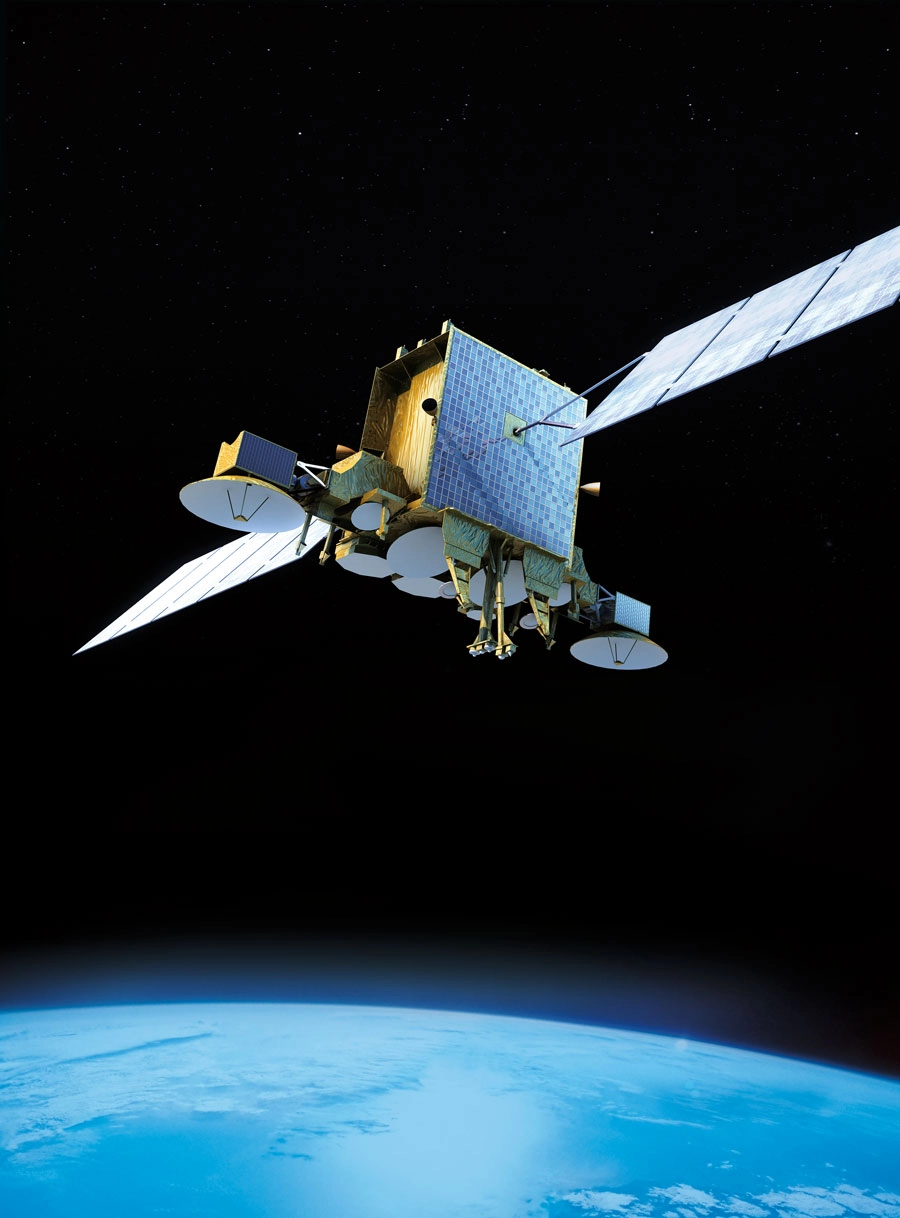
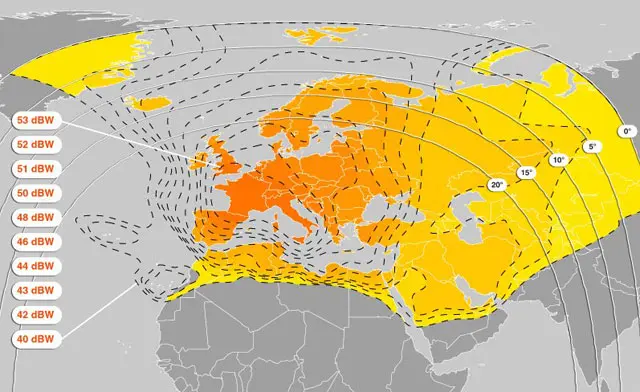
Hotbird is one of the most widely used communication satellites for broadcasting television and radio channels across Europe, the Arab East, and parts of North Africa.

Since its launch in 1995, the Hotbird satellite fleet has played a significant role in providing a wide variety of content, including free-to-air, subscription-based channels, and internet services.

With its strategic orbital position and advanced technology, Hotbird has established itself as a leader in the satellite broadcasting industry.

🚀 On the subject of Hotbird

Hotbird is operated by Eutelsat, one of the world’s leading satellite operators. The Hotbird satellite fleet consists of multiple satellites, such as Hotbird 13C, Hotbird 13B, and Hotbird 13E, which are positioned at 13° East longitude. This prime location allows Hotbird to provide coverage across large parts of Europe, the Arab East, and North Africa.

Hotbird offers an extensive array of services, including:

  • Television channels: A variety of TV channels, including news, sports, entertainment, and educational programming.

  • Radio broadcasting: Both FM and satellite radio services.

  • Data and internet services: Reliable internet and communication links for businesses and individuals.

  • Corporate communications: Private communication channels for corporate and government use.

🌐 Hotbird’s Satellite Fleet

The Hotbird fleet includes several satellites positioned in the same orbital slot at 13° East, which gives it an exceptional ability to serve a large area of coverage.

Key satellites in the Hotbird fleet include:

  1. Hotbird 13B

  2. Hotbird 13C

  3. Hotbird 13E

  4. Hotbird 13F (Upcoming)

These satellites are equipped with high-powered transponders that deliver a wide range of services across the broadcast and telecommunication sectors.

🛰️ Frequencies and Services on Hotbird

Hotbird offers services through several frequency bands, including the Ku-band and Ka-band. These frequencies are used for different purposes:

  • Ku-band: The most common frequency for satellite TV and radio services. It offers high-quality transmission with smaller dishes and supports high-definition (HD) channels and internet services.

  • Ka-band: Used for high-capacity data services and satellite internet, offering faster speeds and lower latency.

Hotbird’s wide range of frequencies enables users to access hundreds of television channels, radio stations, and internet services across a broad area.

📡 How to Receive Hotbird Signals

To receive signals from the Hotbird satellite, users need a satellite dish that is properly aligned to the 13° East orbital position. The dish should be connected to a compatible receiver, which will allow the user to tune in to the correct frequencies.

Common Hotbird Frequencies:

  1. Hotbird 13C Frequency:

    • Frequency: 11.647 GHz (Horizontal)

    • Symbol Rate: 27500

    • FEC: 3/4

  2. Hotbird 13B Frequency:

    • Frequency: 12.722 GHz (Vertical)

    • Symbol Rate: 27500

    • FEC: 3/4

These frequencies are used for a variety of services, including satellite TV channels, radio stations, and data transmission.

For precise information on the frequencies and satellite settings, FreqSatellite is an excellent resource that provides updated details for users looking to tune their satellite systems to Hotbird’s services.

Hotbird is a major player in satellite broadcasting, offering wide-reaching coverage and reliable services across Europe, the Arab East, and North Africa. Its fleet of satellites provides a broad range of services, including television, radio, internet, and data transmission, making it a key player in the communication industry.

If you are looking to set up a satellite system to receive Hotbird signals or need the latest frequency updates, FreqSatellite offers the most comprehensive guides and settings for all your satellite needs.

Maintaining a reliable satellite system requires careful attention to both equipment and configuration. Proper setup ensures that viewers can enjoy uninterrupted access to a wide range of channels without signal loss or distortion.

Keeping frequency information up-to-date is essential, as satellite networks frequently adjust transponder settings and channel positions. Staying informed helps prevent disruptions and allows viewers to access all available content seamlessly.

High-quality equipment and precise dish alignment play a crucial role in achieving optimal signal strength. Using durable cables, secure connectors, and correctly positioned dishes ensures consistent reception even under challenging environmental conditions.

By combining accurate receiver settings, quality hardware, and awareness of satellite coverage, viewers can experience smooth and uninterrupted television. This approach guarantees reliable access to entertainment, news, sports, and educational programming at all times.

Maintaining a reliable satellite system requires careful attention to both equipment and configuration. Proper setup ensures that viewers can enjoy uninterrupted access to a wide range of channels without signal loss or distortion.

Keeping frequency information up-to-date is essential, as satellite networks frequently adjust transponder settings and channel positions. Staying informed helps prevent disruptions and allows viewers to access all available content seamlessly.

High-quality equipment and precise dish alignment play a crucial role in achieving optimal signal strength. Using durable cables, secure connectors, and correctly positioned dishes ensures consistent reception even under challenging environmental conditions.

By combining accurate receiver settings, quality hardware, and awareness of satellite coverage, viewers can experience smooth and uninterrupted television. This approach guarantees reliable access to entertainment, news, sports, and educational programming at all times.

Maintaining a reliable satellite system requires careful attention to both equipment and configuration. Proper setup ensures that viewers can enjoy uninterrupted access to a wide range of channels without signal loss or distortion.

Keeping frequency information up-to-date is essential, as satellite networks frequently adjust transponder settings and channel positions. Staying informed helps prevent disruptions and allows viewers to access all available content seamlessly.

High-quality equipment and precise dish alignment play a crucial role in achieving optimal signal strength. Using durable cables, secure connectors, and correctly positioned dishes ensures consistent reception even under challenging environmental conditions.

By combining accurate receiver settings, quality hardware, and awareness of satellite coverage, viewers can experience smooth and uninterrupted television. This approach guarantees reliable access to entertainment, news, sports, and educational programming at all times.

Maintaining a reliable satellite system requires careful attention to both equipment and configuration. Proper setup ensures that viewers can enjoy uninterrupted access to a wide range of channels without signal loss or distortion.

Keeping frequency information up-to-date is essential, as satellite networks frequently adjust transponder settings and channel positions. Staying informed helps prevent disruptions and allows viewers to access all available content seamlessly.

High-quality equipment and precise dish alignment play a crucial role in achieving optimal signal strength. Using durable cables, secure connectors, and correctly positioned dishes ensures consistent reception even under challenging environmental conditions.

By combining accurate receiver settings, quality hardware, and awareness of satellite coverage, viewers can experience smooth and uninterrupted television. This approach guarantees reliable access to entertainment, news, sports, and educational programming at all times.

Leave a Reply

Your email address will not be published. Required fields are marked *

Back to top button